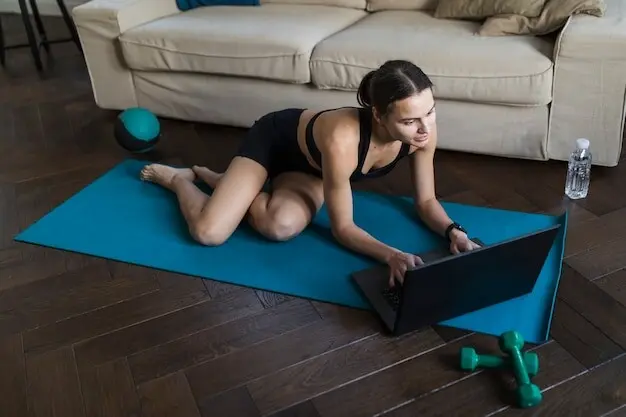
Room-to-Room Fitness & Flow Circuits: Move Through Your Home With Purpose

Step into an energizing approach that turns every room into momentum. Today, we dive into Room-to-Room Fitness & Flow Circuits, weaving strength, mobility, and cardio into effortless transitions between spaces. Learn how to minimize setup friction, build sustainable habits, and enjoy creative sessions that fit busy schedules, tight apartments, or family life. Expect science-backed tips, playful prompts, and stories from real homes. Share your layout, ask questions, and subscribe for weekly circuits tailored to kitchens, hallways, bedrooms, and stairs.

Designing Your Home As A Moving Map

Anchors For Each Room

Choose one anchor per space to simplify choice and create identity: squats near the couch, push variations by the coffee table, hinge patterns by a sturdy chair, calf raises at the counter, and marching in the hallway. Keep equipment minimal and visible. When each room equals one reliable pattern, transitions shorten, focus sharpens, and progress compounds without complicated planning or intimidating checklists.

Safety, Space, And Flow

Clear hazards, claim floor zones with tape, and set slip-resistant surfaces where needed. Open doorways fully, secure rugs, and give pets a perch away from footpaths. Test lateral steps and backward movement to spot blind corners. Keep water within reach and ventilation comfortable. Small safety choices prevent stalls, protect joints, and build trust so you move boldly without second-guessing or constant resets between rooms.

A Traveling Warm-Up

Begin with a slow walkthrough that layers breath, joint prep, and gentle locomotion. March through the hallway, sweep arms in the living room, hinge lightly at the chair, then roll ankles by the kitchen counter. Keep attention on nasal breathing and tall posture. This roving warm-up wakes coordination, primes tissues, and teaches the route, making later intensity feel playful rather than pressured or abrupt.

Flow, Friction, And The Science Of Easy Wins

Momentum thrives when choices feel easy. Reduce cognitive load by preassigning actions to locations, stacking cues where you already move, and letting distance rather than minutes shape sets. Neuroscience backs these nudges: smaller decisions protect willpower, and smooth transitions lower perceived effort. Add breath pacing and simple auditory anchors to quiet self-talk. The result is surprisingly durable consistency that outperforms sporadic heroic workouts and keeps motivation high through ordinary weekdays and unpredictable family schedules.

A Gentle Starter Circuit Across Five Spaces
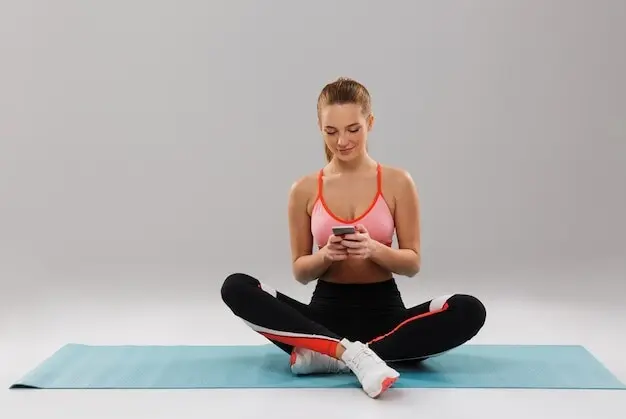
Here is a friendly circuit that visits five spaces with minimal setup, perfect for a first week. Maya, a nurse on rotating shifts, used this layout to rebuild consistency in twenty minutes a day, four days a week. She reported better sleep, calmer mornings, and fewer skipped sessions. You will travel lightly, breathe deliberately, and finish refreshed. Adjust reps down to start, keep music soft, and celebrate completeness over intensity.

Progressions For Strength, Power, And Play

As comfort grows, expand challenge strategically rather than randomly. Nudge intensity with tempo control, longer distances between landmarks, and occasional sprints on stairs or through doorframe ladders. Introduce unilateral strength to reveal hidden imbalances. Keep recovery honest and technique pristine. Build cycles that alternate heavier days with playful skill work. Progress should feel like curiosity-driven exploration, not punishment or perfectionism, steadily raising capacity while preserving joy, joints, and daily energy.

Tempo, Pauses, And Ladders

Use metronome tempos like three-down, one-hold, one-up for squats and hinges. Sprinkle pause pushups at mid-range to strengthen control. Create ladders of reps across rooms, climbing gradually and then descending to finish confident. Tempo sharpens awareness, drives adaptation with less load, and teaches patience. When breath, rhythm, and alignment agree, every step between rooms becomes deliberate practice instead of hurried transition noise.

Stairs, Thresholds, And Sprint Bursts

Treat stairs as a controllable threshold. After a stability block, add one flight of fast but quiet steps, return slowly, then repeat for two to three waves. Use the handrail for safety and prioritize posture. Short, potent bursts elevate heart rate without lengthy sessions. Finish with gentle ankle rolls at the landing. This contrast sharpens resilience and prepares you for real-life surges like catching transport or playful chases.

Recovery, Mobility, And Nervous System Reset

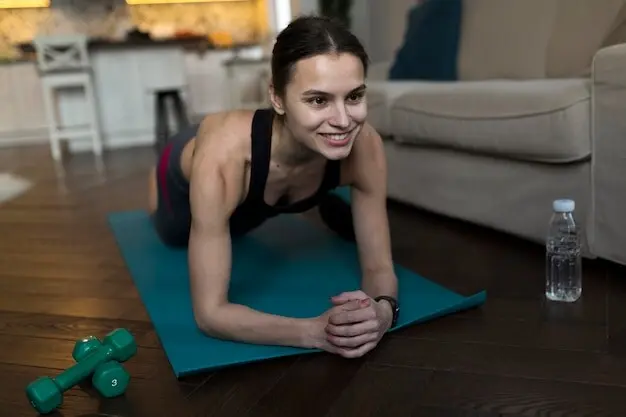
Sustainable training includes intentional downshifts. Use short mobility laps after work, gentle steam from the bathroom to relax tissues, and bedroom breathwork to guide the nervous system toward calm. Pair movements with familiar household cues so recovery happens automatically. These micro-practices improve sleep, joint comfort, and readiness for tomorrow’s circuit. Treat softness as skill, not absence, and you will notice fewer aches and more eagerness to begin again.

Tracking, Games, And Household Buy-In

Visual Maps, Stickers, And Tags

Print a simple layout of your home and mark anchors with icons: a squat symbol by the couch, a lightning bolt on the stairs, a balance line at the counter. Each pass earns a sticker or small doodle. Over weeks, the map tells a story of movement woven into daily life, strengthening identity and helping you spot bottlenecks or rooms that deserve gentler pacing.

Music Cues, Timers, And Checkpoints

Assign a playlist track to each room and a short chime to transitions. Timers signal focus, music sustains mood, and silence marks resets. Keep volume neighbor-friendly. Pair certain tempos with tempo training days, and mellow tracks with recovery laps. These auditory anchors build reliable rhythms, making it easier to enter flow quickly even when motivation dips or distractions briefly interrupt your path mid-circuit.

Shared Challenges, Comments, And Accountability

Invite family members or online friends to join a weekly route swap. Share a photo of your map, explain your anchors, and set gentle targets together. Post reflections in the comments about wins, surprises, or obstacles. Accountability becomes encouraging rather than punitive. The more voices and layouts we gather, the richer the playbook grows, inspiring fresh circuits for kitchens, hallways, bedrooms, and shared stairwells.
Veltozorizentonilo
Privacy Overview

This website uses cookies so that we can provide you with the best user experience possible. Cookie information is stored in your browser and performs functions such as recognising you when you return to our website and helping our team to understand which sections of the website you find most interesting and useful.