
Design Your Workouts Around the Rooms You Live In
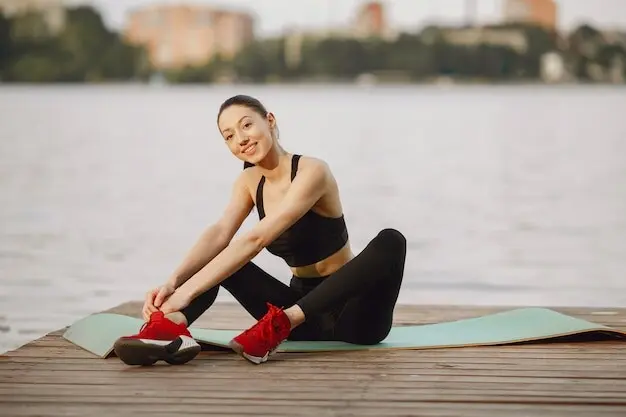
Discover how Floor Plan-Optimized Home Training Pathways turn your house into a purposeful circuit, aligning movement with room layouts, doorways, and corridors. We’ll map routines to your actual environment, reduce friction, and elevate consistency with clever spatial cues, supportive ergonomics, and motivating micro-routes that fit busy lives.

Mapping Movement to Your Space

Room Roles and Training Zones

Define each room’s training personality by pairing its strengths with specific movements: controlled hinges beside sturdy counters, balanced flows near open carpets, and explosive efforts only where ceilings, ventilation, and floor integrity cooperate. Label zones visibly so decisions shrink and momentum builds effortlessly every busy weekday.

Traffic Flow as Interval Timing

Let everyday travel between rooms dictate work-to-rest ratios. Ten steps to the kitchen become recovery, the hallway a shuttle sprint, and the bathroom mirror a technique checkpoint. Align intervals with chores to stack habits, preserving intensity while real life keeps moving around and through you.

Surface and Ceiling Constraints

Hardwood invites sliders and low-friction lunges, while rugs demand stability and deliberate balance. Low ceilings cap overhead swings but reward floor-based core series. Audit joists, doorframes, and fixtures, then match tools and tempos to constraints so safety expands, not shrinks, your creative training possibilities every week.
Programming Smarter Sessions Through Spatial Cues
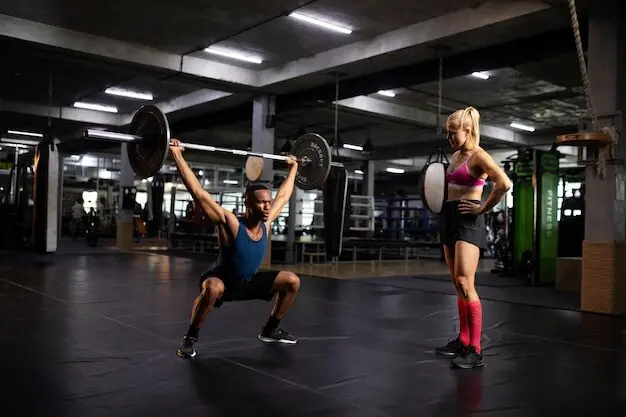
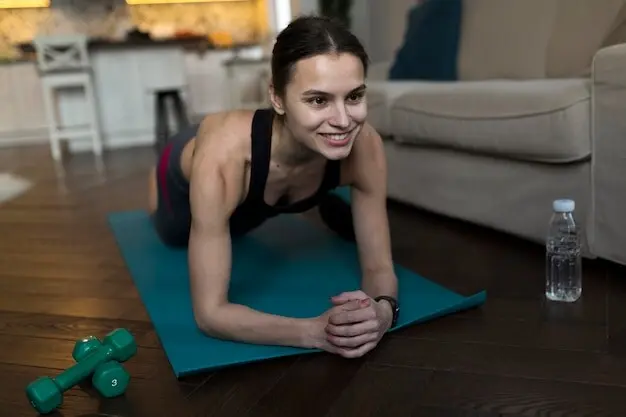
Use architectural signals to automate choices: a mat beside the window triggers mobility, the balcony threshold cues breathwork, and the hallway corner starts a kettlebell complex. By binding movements to places, you’ll reduce willpower drain, streamline decisions, and transform routine rooms into energizing practice prompts.

Safety, Ergonomics, and Noise Management

Training inside shared walls demands foresight. Audit downstairs neighbors, sleeping children, skittish pets, and delicate shelves. Cushion impact, redirect vibration, and spread stress horizontally. Assess wrist, back, and neck alignment at each zone to ensure durability, comfort, and calm coexistence with everyone who shares your address.
Measure wingspan against lamps, fans, and artwork. Mark safe perimeters with painter’s tape, then practice unloaded patterns to verify room for acceleration and deceleration. Predict pet entries and child sprints by training during quiet windows, reducing surprise collisions while keeping responsiveness, agility, and patience continually sharpened.
Swap jumps for power step-ups, tempo squats, and isometric holds. Glide with sliders, decelerate softly, and use thick mats to mute noise. Replace heavy drops with controlled negatives, channeling intensity into muscular effort instead of shockwaves that travel through beams, plaster, and unsuspecting neighbor ceilings.

Data-Driven Iteration Inside Your Home

Let your space teach you. Track steps per circuit, heart rate peaks per room, average restart time, and adherence relative to layout changes. Photograph station setups weekly to spot drift. Iterate deliberately, pruning friction points and amplifying flows that produce sustainable effort, joy, and measurable progress.
Use household signals as timing proxies: kettle whistles, laundry cycles, and oven preheats. Note perceived exertion at each chime, observing where bottlenecks slow transitions. Adjust placements to compress dead time, then re-measure a week later to verify smoother paths, steadier pacing, and higher training density.
Associate zones with intensities: kitchen mobility equals Zone 1, hallway shuttles Zone 3, stair repeats flirting with Zone 4. Cycle strategically so cardiovascular stress spreads through the plan, balancing recovery nooks with effort corridors for resilient conditioning that respects joints, attention, and limited schedules.
Mount a small whiteboard or taped grid where routines begin. Log reps, intervals, and route variants in big letters you cannot ignore. Visibility breeds adherence; every glance renews intention, turning scattered efforts into cohesive practice mapped clearly across your rooms, weeks, and evolving capacities.

Stories From Real Apartments and Houses

Insights stick when they are lived. We gathered vivid accounts of people who reshaped training by respecting square footage. Across studios, townhouses, and garages, constraints became designers, surfacing creative circuits, kinder schedules, and contagious momentum that pulled friends and family into healthier daily patterns together.

Engagement, Accountability, and Community at Home

Progress multiplies when shared. Invite friends to sketch simplified layouts and swap route ideas. Post photos of zones and celebrate micro-wins publicly. Set standing check-ins, vote on monthly reconfigurations, and let encouragement travel the same pathways your feet trace, until consistency feels social, supportive, and fun.

Share Your Map, Get Tips

Screenshot your plan and annotate stations with verbs and time targets. Ask for friction hot spots you might overlook. We will respond with alternatives, swaps, and pacing tweaks, helping your rooms whisper cues that invite action, reduce hesitation, and sustain meaningful effort across busy weeks.

Gamify Doorways and Distances

Turn thresholds into scoreboards: a tally mark per passage equals two squats, five marches, or one mindful breath. End-of-day totals unlock stretches or music. Light competition with roommates keeps spirits high, while repetition engrains mobility, posture, and patience into movements you already perform without thinking.

Weekly Resets and Seasonal Re-Routes

Protect novelty by refreshing signs, swapping station order, and rotating tools each Sunday. With seasons, shift routes toward sunny windows, cooler tiles, or breezier balconies. These gentle edits preserve enthusiasm, prevent plateaus, and honor how your space changes while your ambitions and energy evolve.
Veltozorizentonilo
Privacy Overview

This website uses cookies so that we can provide you with the best user experience possible. Cookie information is stored in your browser and performs functions such as recognising you when you return to our website and helping our team to understand which sections of the website you find most interesting and useful.