Flow Training That Moves From Living Room To Open Air

Step into indoor–outdoor hybrid workout routes for home spaces, where a hallway becomes a warm‑up track, the patio powers your sprints, and a stairwell sharpens strength. This playful approach links rooms, thresholds, and backyard corners into purposeful circuits that adapt to weather, goals, and energy. Explore smart mapping, safe transitions, and creative routines, then join our community by commenting with your favorite home waypoints and subscribing for fresh route ideas.

From Threshold To Tempo: Designing The Route

Pick a home base near the front or back door, then chart a clockwise flow that feels instinctive. Assign tempos to transitions: brisk walk through the kitchen, controlled step‑ups on the stoop, fast feet across the patio seam. Keep radiuses wide enough for turns, set cones or socks as markers, and establish hand‑touch cues on doorframes that signal new efforts without stopping momentum.

Micro‑Zones That Multiply Variety

Break the circuit into micro‑zones dedicated to different qualities: balance on the hallway line, mobility by the sofa edge, power on backyard pavers, and core beneath an open window. Rotate emphasis each lap to prevent overuse and boredom. Simple zoning allows intensity waves without complex timing, while preserving flow. Color tape, planters, or mats create visual anchors that simplify navigation mid‑workout.

Anecdote: The Thirty‑Step Journey

In a studio apartment, Leena mapped a thirty‑step journey: five controlled steps past the bookshelf, four lunges to the balcony rail, quick shuffles by the window, then two stair flights in the building corridor. No neighbors complained because she timed jumps during daylight and swapped high‑impact bursts for isometric holds at night. After six weeks, her resting heart rate dropped and her daily steps doubled.

Rain Plan Without Losing Intensity

When the patio shines with rain, shift jumps to low‑impact indoor sequences: stair climbs, wall sits, slow mountain climbers, and suitcase carries with a backpack. Maintain the outdoor loop by touching the sheltered doorway for quick cadence pickups, then reenter safely. Place absorbent mats to manage puddles, swap slippery moves for controlled tempo work, and keep a towel for grip checks on rails and doorknobs.

Heat‑Safe Morning And Twilight Routes

Beat the heat by front‑loading outdoor elements at sunrise or dusk, when surfaces are cooler and the light feels gentle. Keep a shaded station near the doorway with water and a misting bottle. Alternate brief outdoor bursts—like ten quick line hops—with indoor mobility rounds to prevent overheating. Lightweight fabrics, breathable shoes, and pacing by talk test protect performance while keeping your session enjoyable and sustainable.

Gear‑Lite, Results‑Heavy

Build a powerful circuit with minimal equipment that respects floors, neighbors, and time. A resistance band, a sturdy chair, a backpack, and a yoga mat can anchor strength, cardio, and stability. Prioritize multi‑use items that travel easily between the living room and the yard. Protect surfaces with layered mats, choose moves that scale by tempo or range, and save complex gear for optional upgrades later.

Furniture As Functional Tools

A chair becomes a step platform, dip station, and hinge depth reference. A sofa edge guides Nordic curls, while a coffee table supports elevated push‑ups if it’s stable and non‑sliding. Use book stacks as risers and a towel as a slider on smooth floors. Verify load capacity, test wobble, and position pieces near thresholds so transitions feel natural. Simplicity preserves flow and safety across spaces.

Backpack, Bands, And Bodyweight

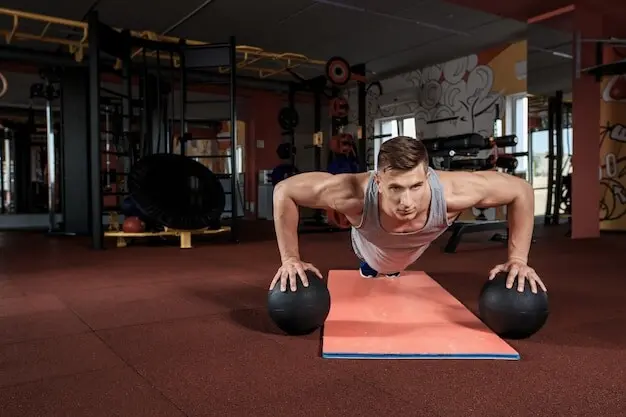
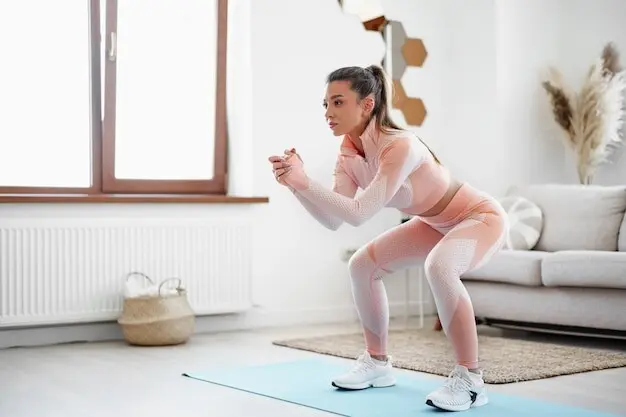
Load a backpack with books for portable resistance on step‑ups, Bulgarian splits, and marches around the patio. Loop a band to a door anchor for rows, face pulls, and anti‑rotation holds before stepping outside for locomotor drills. Bodyweight staples—squats, hinges, push‑ups, and bear crawls—scale perfectly with tempo tweaks. Keep everything in a basket by the door so setup never interrupts rhythm or motivation.

Surface‑Friendly Plyometrics

Protect joints and neighbors by moving explosive work to forgiving surfaces. Try pogo hops on grass, lateral bounds over a chalk line, or low box jumps onto a sturdy wooden step outdoors. Indoors, swap to power step‑downs, calf pops, and kneeling throwbacks to reduce noise. Set clear landing targets, cue soft knees, and cap volume. The goal is springy athleticism without scuffs, echoes, or unnecessary impact.


Safety At Every Transition

Mixed surfaces demand attentive setup. Clear clutter from doorways, secure mats with non‑slip backing, and test traction where tile meets deck or concrete. Choose footwear that grips wet wood and indoor floors. Mind visibility at dusk with small solar lights. Treat thresholds as skill zones, practicing deliberate foot placement and posture resets. A safe route reduces hesitation, boosts confidence, and sustains your training streak.

Programming That Keeps You Moving

Anchor your circuit with simple structures that harness landmarks instead of constant clock‑watching. Intervals tied to doorframes, stair flights, and patio lines free your attention for technique. Blend EMOM focus indoors with outdoor stride repeats. Cycle intensities across laps to stay engaged. Weekly progressions can add reps, shorten rest between zones, or introduce fresh micro‑zones, ensuring adaptation without monotony or equipment overload.

Intervals Tied To Landmarks

Replace timers with clear anchors: three stair flights, two rug‑to‑door shuttles, eight paver hops. Rest becomes the easy indoor walk back to base. Landmarks simplify counting under fatigue and respect household rhythms. Adjust difficulty by choosing farther thresholds or tighter turning radiuses. The route becomes self‑coaching, teaching pace control naturally through space, not screens, while keeping transitions crisp and purposeful every single lap.

EMOM And AMRAP With Doorway Counters

Run a fifteen‑minute EMOM where odd minutes are indoor strength clusters and even minutes are brisk patio efforts. Use doorway touches as repetition counters to stay honest when music is loud. For AMRAPs, assign one lap per round and record completed door touches. This tactile feedback beats squinting at a watch, preserving flow. Progress weekly by adding skill moves rather than just chasing volume.

Recovery Loops That Still Accumulate Steps

Active recovery can build surprising capacity. Insert a gentle loop of nasal‑breathing walks through the hall, slow calf raises near the threshold, and shoulder openers under fresh air. Keep conversation pace, then rejoin intensity with clearer focus. These laps accrue steps, circulate metabolites, and calm the nervous system. On heavy days, recovery loops prevent collapse into the couch, nudging consistency without sacrificing restorative intent.

Community Inside The Household

Turn your circuit into a shared experience that respects different abilities and schedules. Alternate stations by room, tag in on thresholds, and celebrate micro‑wins together. Kids can chase colors; adults can chase cadence. Pets need safe paths and predictable turns. Post a whiteboard route by the door and track badges for streaks. Shared routes spark accountability, lighten the mood, and transform training into memorable moments.

01

Tag‑Style Circuits For Two

Set opposing starts—one indoors, one outdoors—and tag at the threshold every lap. While one person climbs stairs, the other flows through mobility under open air. Swap roles at each meeting point to balance workloads. Keep cues clear, choose quiet shoes for late sessions, and agree on hand signals to adjust speeds. The playful hand‑off keeps energy high and gives partners equal stakes in the route.

02

Kid‑Friendly Waypoints

Color‑code stations with tape shapes, turning door touches into stars, moons, or rockets. Replace burpees with animal walks, and let kids call the next doorway when earning a sticker. Keep sessions short, adventurous, and flexible, ending with a victory lap outside to wave at the neighborhood trees. Safety comes first: widen corners, pad edges, and make rules about pausing to look both ways at thresholds.

03

Pet‑Safe Paths

Pets love motion but need boundaries. Park beds away from sprint lines, add gentle bells to collars for location awareness, and schedule fetch after high‑intensity segments to avoid chaotic crossings. Install a baby gate during speed rounds, then invite your companion for cool‑down walks. Hydration bowls near doorways prevent trips. With predictable patterns, animals relax, and your flow remains playful, safe, and wonderfully uninterrupted.

Measure, Reflect, Celebrate

Tracking With Simple Cues

Place a jar by the door and drop a coin per lap, converting movement into a tangible tally. Jot one‑line reflections on a sticky note: what felt smooth, where feet hesitated, which breath pattern helped. Review weekly to refine route design. Minimal friction means consistent logging, and consistent logging reveals patterns worth celebrating long after the initial enthusiasm settles into an empowering routine.

Mini Challenges And Streaks

Run five‑day sprints focused on one upgrade: cleaner turns, quieter landings, or sharper stair posture. Print a tiny scorecard by the threshold. Keep stakes friendly—share a photo of your best lap or nominate tomorrow’s anchor song. Streaks turn private effort into a shared adventure without judgment. If a day breaks, reboot gently; longevity beats perfection in hybrid routes that flex with life’s rhythms.

Share, Subscribe, And Stay Accountable

Post your favorite doorway anchor, patio shuffle, or stair combo in the comments so others can remix it. Ask questions about surfaces, footwear, or mapping tight apartments, and subscribe for weekly route prompts and seasonal adaptations. Invite a friend to join remotely and compare laps over video. Accountability grows naturally when stories, sketches, and small experiments circulate, keeping curiosity and consistency high all year.
Veltozorizentonilo
Privacy Overview

This website uses cookies so that we can provide you with the best user experience possible. Cookie information is stored in your browser and performs functions such as recognising you when you return to our website and helping our team to understand which sections of the website you find most interesting and useful.